

When you're working with an I (Influence) personality, lead with warmth and the big picture before any details, give recognition where others can see it, and always close the conversation with one simple, written next step. Try it in your next check-in: open with genuine interest in how they're doing, then offer feedback framed around team impact rather than a checklist of errors. That single shift changes how quickly an I-style colleague hears you and acts on what you say.
TL;DR:
- Leading with warmth and recognition is essential because influence personalities are driven by relationships and public acknowledgment.
- In team settings, pairing energetic I-types with detail-oriented colleagues improves follow-through on ideas without stifling their creativity.
- When giving feedback, start with appreciation and explain impact before requesting specific, actionable changes to maintain engagement.
- Maintaining visibility through public praise and varied, people-facing roles keeps influence personalities motivated and engaged long-term.
- Managers should set clear outcomes and deadlines, then step back from micromanagement to foster autonomy and accountability with influence-style team members.
Table of Contents
- What Is an I Personality, and Why Does This Approach Work?
- How Should You Communicate With an I Personality Day to Day?
- How Do I-Types Behave in Meetings and Group Projects?
- How Do You Give Feedback or Handle Conflict With an I Personality?
- What Actually Motivates I Personalities Long Term?
- What Should Managers Do to Keep I-Style Team Members Accountable?
- Copy-Ready Scripts for Working With I Personalities
- A Note From Tres on Applying This With Small Teams
- DISC Assess Tools Built for Applying These Tactics
- Sources
- FAQ
What Is an I Personality, and Why Does This Approach Work?
I stands for Influence, one of four styles in the DiSC model, alongside D (Dominance), S (Steadiness), and C (Conscientiousness). People with this style tend to be outgoing, enthusiastic, and driven by relationships more than by process, which is why DiSC's own profile of the style describes I-types as sociable and recognition-motivated by nature.
That single trait, being relationship-driven, explains almost everything else about how to work with this personality type. Recognition lands harder than a paycheck line item. Big-picture framing sticks better than a spreadsheet. And criticism delivered in front of peers can shut down a conversation faster than almost anything else you could say.
Here's how I-types compare to the other three DiSC styles in a typical team setting:
- I (Influence): talks through ideas out loud, thrives on variety, needs public acknowledgment.
- S (Steadiness): prefers steady pace and harmony, needs private reassurance, not spotlight.
- C (Conscientiousness): wants data and accuracy first, is uncomfortable with vague enthusiasm.
- D (Dominance): wants results and speed, tolerates conflict better than the other three styles.
Stressors matter as much as motivators. Isolation, rigid rule enforcement, and being buried in fine print before hearing the point all drain an I-style colleague's energy fast. Miss that, and you'll spend more time managing disengagement than managing output.
How Should You Communicate With an I Personality Day to Day?
Match their energy first, then steer the content. That order matters more than most managers assume: if you skip the warmth and jump straight to the ask, an I-style colleague often disengages before you've finished your sentence.
- Open with genuine interest. Ask about a project they're excited about before you ask for anything.
- Lead with the big picture. State the goal and the "why" before any details or numbers.
- Use encouraging language. Frame requests around possibility, not just obligation.
- Invite their input. I-types generate ideas faster in conversation than in isolation.
- Confirm the specific next step. End every exchange with one clear, written action item.
What to avoid is just as important. Don't open an email with three paragraphs of data before the point. Don't correct them in a group setting, even gently. Don't assign long solitary tasks without a scheduled check-in. Success makes the same point: keep the tone upbeat and collaborative, and save blunt correction for a private conversation.
For written messages, keep a simple structure: a headline that states the outcome, two or three sentences of context, and one explicit next step. Skip the wall of text.
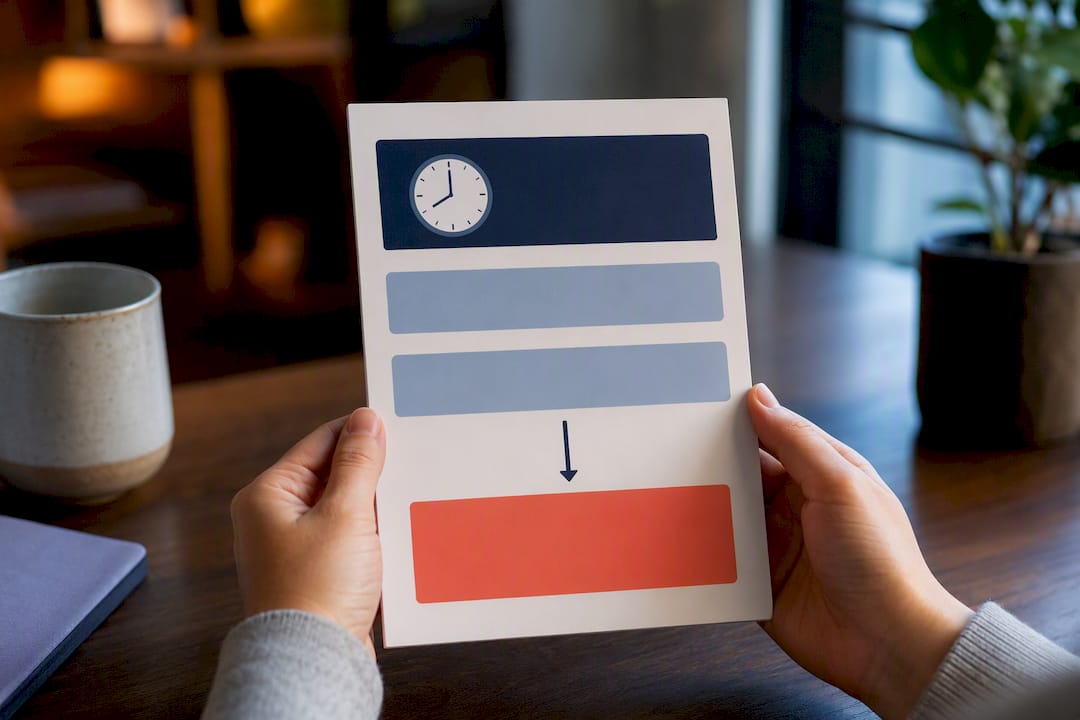
Pro Tip: Put the deadline in the subject line, not buried in paragraph three. An I-style reader often scans the first line and acts on it immediately, so the most important detail needs to be visible before they stop reading.
How Do I-Types Behave in Meetings and Group Projects?
I-style team members are often the ones who get a stalled brainstorm moving again. They generate ideas out loud, build energy in a room, and pull quieter voices into the conversation. What they're less reliable at is turning that momentum into finished, detailed work without support.
That's a known pattern, not a flaw to fix. Practitioner observation on the "I Factor" notes that I-types add energy, networking ability, and idea generation to teams, but often struggle with follow-through on detailed or solitary tasks.
Structure your meetings around that reality instead of fighting it:
- Open with a free-form idea generation phase and let the I-style voices lead it.
- Switch to a timeboxed prioritization round once ideas are on the table, so momentum doesn't stall into indecision.
- Pair each I-style contributor with a detail-oriented teammate for execution and follow-through.
- Close every meeting with a spoken summary of who owns what and by when.
A visual big-picture prompt at the start of the agenda (one sentence stating the goal) keeps discussions anchored. The pairing tactic alone tends to fix the most common complaint managers have about I-style delivery: great ideas, incomplete execution.
How Do You Give Feedback or Handle Conflict With an I Personality?
Start with appreciation, then explain impact, then request one specific change. That order isn't a soft-skills nicety. It's the sequence that keeps an I-style colleague listening instead of shutting down, because criticism that lands as personal rejection triggers withdrawal fast.
- Open with genuine appreciation for something real, not a generic compliment.
- Explain the impact of the issue on the team or project, not just the behavior itself.
- Request one specific, actionable change, stated plainly.
- Agree on a short check-in to revisit progress, so the conversation doesn't just end and drift.
Keep corrections private, always. Leadership guidance on difficult conversations with I personalities recommends leading with empathy, using active listening, and maintaining a positive tone throughout, with consistent follow-up afterward.
After the conversation, send a two-line written recap: what was agreed, and when you'll check back in. That small ritual does more to convert good intentions into real change than the conversation itself.
Pro Tip: If the issue is recurring, name the pattern gently rather than the latest incident. "I've noticed this happens around deadline crunch time" lands better than relitigating one missed deliverable.
What Actually Motivates I Personalities Long Term?
Visibility. An I-style employee who feels invisible on a team, even a high-performing one, will disengage faster than almost any other style. Public praise, people-facing responsibilities, and variety in daily tasks are the real currency here, more than salary alone.
Design roles with that in mind:
- Give them visible ownership of at least one people-facing responsibility.
- Rotate task variety regularly rather than locking them into repetitive, solitary work.
- Create opportunities to present outcomes to the wider team or leadership.
- Recognize wins publicly and specifically, not just in a private one-on-one.
The flip side is overcommitment. Enthusiasm can lead an I-style colleague to say yes to more than they can deliver. A simple "pause before yes" checklist, three questions before accepting new work, protects both their bandwidth and your delivery timeline.
What Should Managers Do to Keep I-Style Team Members Accountable?
Set the outcome and the timeline, then step back from the process. Micromanaging how an I-style employee gets to a result tends to backfire, draining the energy that makes them valuable in the first place.
- State the expected outcome in one sentence, plus a one-line deadline.
- Use a short weekly tracker with three items: what's done, what's next, what's blocked.
- Pair them with a detail-focused partner for any task with heavy documentation requirements.
- Keep a simple meeting summary template so decisions and owners never live only in someone's memory.
When performance issues come up, keep the conversation fact-based and private, and tie every requested change back to team impact rather than personal criticism. That framing keeps the relationship intact while still holding the line on delivery. Teams that build structured personality-aware development into their staff routines tend to catch these friction points before they become recurring problems.
Copy-Ready Scripts for Working With I Personalities
Two meeting openers that work well: "Before we dive in, I'd love to hear your take on where this project is headed." Or, simply, "What's the win we're going for here?" Both invite big-picture thinking before you narrow the focus.
For private feedback: "I really value the energy you bring to this team. One thing I want us to tighten up is X, because it's affecting how the rest of the team can deliver." Or: "Can we talk through what happened with the deadline? I want to understand your side before we figure out next steps together."
A short request email: state the goal in one line, the impact in one line, and the ask in one line. Skip the preamble.
- Two meeting openers focused on big-picture framing
- Two private feedback scripts built on appreciation plus impact
- One email template: goal, impact, call to action
Pairing idea generators with detail-focused partners and closing with a short written follow-up meaningfully increases the odds a project actually gets finished, according to practical DISC communication guidance built around the I style.
Reference Tres and the broader DISC Assess communication resources when rolling these scripts out across a full team.
A Note From Tres on Applying This With Small Teams
The teams that see the fastest shift aren't the ones with the most polished process. They're the ones where a manager starts pairing an I-style teammate with someone detail-oriented and watches follow-through improve within weeks. DISC works because it gives language to something everyone already senses but rarely names out loud.
— Tres
DISC Assess Tools Built for Applying These Tactics
This platform is a practical alternative to hiring an outside consultant to interpret personality styles for your team, providing the report, language, and facilitation notes without additional license fees.
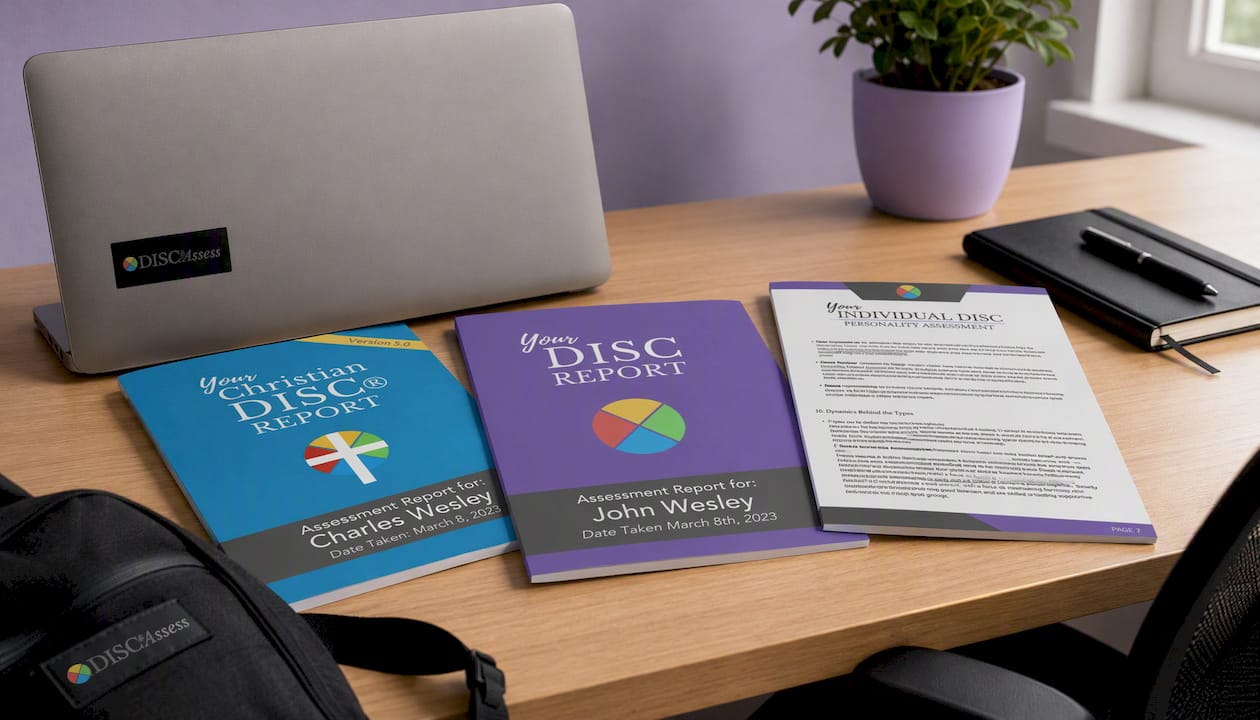
Three assessment options cover most workplace needs. The Individual Classic DISC Personality Assessment gives one person a full report for self-awareness or coaching prep. The DISC Personality Assessment (Online) and Report works well for team-wide rollouts where you need consistent, comparable reports across every member. For faith-based organizations, the Individual Christian DISC® Spiritual Personality Assessment blends the same four-style framework with a spiritual growth lens.
Start at the DISC Assess homepage to see current options, or head straight to the assessments store to pick the report that fits your team size and purchase it directly.
Sources
- How to Effectively Communicate With An Influence (I) Personality
- The I Factor
- Difficult Conversations Part II – I – Lead Well
FAQ
What Is an I Personality Type?
I stands for Influence in the DiSC model. People with this style are outgoing, optimistic, and motivated by relationships and recognition more than by process or detail.
What Is the Rarest DISC Profile?
DISC does not publish a single universal rarity ranking, since distribution varies by population and workplace, but pure single-style profiles are generally less common than blended styles that combine two adjacent traits.
What Does "I" Mean in Personality?
In the DiSC framework, "I" means Influence, describing someone sociable, enthusiastic, and persuasive who tends to prioritize people and ideas over strict process.
What Are Type A, B, C, D Personalities?
Type A/B/C/D is a separate, older framework focused mostly on stress and competitiveness, and it is distinct from the DiSC model's D, I, S, and C styles, which focus on workplace behavior and communication preferences.