

A coworker conflict resolution checklist is a step-by-step tool managers use to resolve interpersonal disputes fairly, consistently, and on record. Without a structured process, even minor disagreements can escalate into formal grievances or legal claims. The best workplace dispute checklists draw from established frameworks like the ACAS Code of Practice for procedural fairness and negotiation research from the Program on Negotiation at Harvard. This article gives you a practical, research-backed checklist built for team leaders in small to mid-sized organizations who need to act quickly and protect their teams.
What are the essential steps in a coworker conflict resolution checklist?
Effective conflict resolution follows a sequence. Skipping steps, especially early documentation, is the most common reason informal disputes become formal ones.
1. Assess conflict severity before acting
Start by rating the conflict on a simple scale: low (personality friction), medium (ongoing tension affecting work), or high (harassment, discrimination, or safety risk). This assessment determines your entire approach. A low-severity disagreement between two colleagues over work style calls for a private conversation. A high-severity situation involving threats or discriminatory language requires immediate escalation to HR or legal counsel, with no informal resolution attempted first.

2. Document the initial complaint in writing
Write down the complaint as soon as it is reported, including the date, names, and a factual description of the incident. Do not editorialize or interpret behavior at this stage. This record becomes the foundation of your file and protects both the organization and the employees involved. Keep all records for up to 6 years, because even minor interpersonal conflicts can become evidence in future legal claims.
3. Send a written acknowledgment within 5 working days
Written acknowledgment within 5 working days is the benchmark set by employment guidance for procedural fairness. This acknowledgment tells the reporting employee that their concern is taken seriously. It also starts the clock on your resolution timeline. Aim to schedule the first meeting within 2–3 weeks of acknowledgment to balance thoroughness with urgency.
4. Hold separate, confidential conversations first
Meet with each person privately before bringing them together. Ask open questions: "What happened from your perspective?" and "What outcome would feel fair to you?" These conversations reveal the underlying interests driving the conflict, not just the surface positions. Separate meetings also reduce defensiveness and give each person space to speak honestly.
Pro Tip: Take notes during each private meeting and read them back to the employee at the end. This confirms accuracy and signals that you are listening, not judging.
5. Set ground rules before any joint meeting
Before a joint session, share a written list of expectations: no interrupting, no personal attacks, and a commitment to finding a workable solution. Ground rules are not bureaucratic formality. They create the psychological safety both parties need to speak honestly. Without them, joint meetings often become debates rather than conversations.
6. Use active listening to reduce emotional intensity
Active listening reduces conflict intensity significantly by showing each person that their perspective has been heard and understood. Reflect back what you hear: "So what I'm hearing is that you felt excluded from that decision. Is that right?" This technique shifts the emotional temperature of the room. When people feel heard, they become more willing to problem-solve.
7. Focus on solutions, not blame
Redirect every conversation toward what needs to change going forward, not who was wrong in the past. A neutral manager focused on solutions and relationship reset consistently produces better outcomes than one who tries to determine fault. Blame-focused conversations entrench positions. Solution-focused conversations open options.
8. Use the Same Day Summary technique
Immediately after every meeting, send a written summary of what was discussed, what was agreed, and what each person will do next. This is called the Same Day Summary, and it is one of the most underused tools in managing coworker disagreements. It prevents the "that's not what I agreed to" problem that erodes trust after meetings. Keep a copy in the conflict file.
9. Set measurable commitments and a follow-up date
Vague agreements fail. Replace "we'll try to communicate better" with "we will copy each other on project updates every Monday by 10:00 AM." Measurable outcomes and follow-up meetings restore accountability and give both parties a clear standard to meet. Schedule a check-in meeting two to four weeks after the joint session to review progress.
10. Escalate immediately when required
Certain situations remove informal resolution from the table entirely. If a conflict involves harassment, discrimination, a safety risk, or criminal conduct, stop the informal process and involve HR or legal immediately. Continuing informal resolution in these cases can expose the organization to serious liability. Document the escalation decision and the reason for it.
What communication strategies support effective conflict management?
The right communication approach depends on the conflict type. The Thomas-Kilmann model identifies five conflict styles: collaborating, compromising, accommodating, avoiding, and competing. No single style fits every situation; strategic flexibility is the defining skill of an effective manager.
Here is how to apply each style situationally:
- Collaborating: Best for long-term working relationships where both parties need to stay engaged. Takes more time but produces durable agreements.
- Compromising: Useful when both parties have valid needs and a partial win for each is better than a stalemate.
- Accommodating: Appropriate when one issue matters far more to one party than the other, and goodwill is worth more than the outcome.
- Avoiding: Effective short-term when emotions are running high and a cooling-off period will improve the conversation.
- Competing: Reserved for situations where a clear decision must be made quickly and authority is needed to enforce it.
Neutral language is a practical tool that managers often overlook. Replace "you always" with "I noticed" and "the problem is you" with "the challenge we're facing." This small shift in phrasing prevents defensiveness and keeps the conversation productive.
Pro Tip: When you sense a power play, name it calmly and directly: "I want to make sure we're both here to find a solution, not to win." This resets the dynamic without escalating tension.
Maintaining open communication channels after resolution matters as much as the resolution itself. Check in informally with both parties in the weeks following a joint meeting. Early signs of re-escalation are far easier to address than a second formal complaint.
How to document and monitor conflict resolution for accountability
Documentation is not optional. Following formal grievance codes like the ACAS Code prevents escalation to costly employment tribunal claims. Every step of the process needs a paper trail.
Your documentation file for each conflict should include:
- The initial written complaint with date and names
- Notes from each private conversation
- The written acknowledgment sent within 5 working days
- Ground rules shared before joint meetings
- The Same Day Summary from every meeting
- The written action plan with measurable commitments
- Follow-up meeting notes and outcomes
Store these records securely and separately from general personnel files. Retain all conflict records for 6 years as a minimum. This timeline reflects the period within which employment claims can typically be brought, and thorough records are your primary defense.
| Documentation Step | Timing |
|---|---|
| Written acknowledgment | Within 5 working days of complaint |
| First meeting scheduled | Within 2–3 weeks of acknowledgment |
| Same Day Summary sent | Same day as each meeting |
| Action plan issued | Within 3 working days of joint meeting |
| Follow-up check-in | 2–4 weeks after joint meeting |
If commitments are not being met at the follow-up stage, address it directly and in writing. Unresolved commitments signal that the conflict has not been resolved at its root. Escalate to HR if the pattern continues.
What situational adaptations help managers handle different conflict types?
Low-severity conflicts, such as friction over communication styles or task ownership, respond well to the informal checklist steps above. High-severity conflicts involving repeated behavior, power imbalances, or protected characteristics require a formal process from the start. The key is recognizing which category you are in before you begin.
Organizational culture shapes how conflict presents itself. In close-knit small teams, conflicts are often personal and emotionally charged. In more hierarchical organizations, they tend to involve role boundaries and authority. Tailor your language and approach to fit the culture, but never tailor the documentation requirements.
Understanding personality styles gives managers a significant advantage in conflict prevention. DISC assessments improve team collaboration by helping people recognize how their natural tendencies affect others. A high-D (Dominance) style and a high-S (Steadiness) style will experience the same meeting very differently. Knowing this before conflict arises lets you build communication norms that reduce friction at the source. Discassess offers group assessment packages designed specifically for small teams who want this kind of practical self-awareness without a large investment.
For teams rebuilding trust after a serious conflict, a structured workplace relationships checklist can guide the recovery process step by step. Trust is rebuilt through consistent behavior over time, not through a single conversation.
Key Takeaways
A coworker conflict resolution checklist works because it combines timely communication, structured documentation, and situational flexibility into a repeatable process managers can apply with confidence.
| Point | Details |
|---|---|
| Start with severity assessment | Rate the conflict before choosing informal or formal resolution. |
| Acknowledge in writing promptly | Send written acknowledgment within 5 working days to establish procedural fairness. |
| Use the Same Day Summary | Document meeting outcomes immediately to prevent trust erosion and miscommunication. |
| Keep records for 6 years | Retain all conflict documentation to protect against future legal claims. |
| Escalate serious conflicts immediately | Harassment, discrimination, or safety risks require HR or legal involvement, not informal resolution. |
What I've learned from watching checklists succeed and fail
The managers who use conflict resolution checklists most effectively are not the ones who follow every step perfectly. They are the ones who bring genuine curiosity to each conversation. A checklist gives you structure. Emotional intelligence gives you results.
The most common mistake I see is managers diagnosing personalities instead of problems. Labeling an employee as "difficult" closes down your thinking before the conversation even starts. The moment you walk in with a verdict, you stop listening. And when you stop listening, the other person stops trusting.
The Same Day Summary has saved more working relationships than any other single technique I have seen applied. One manager I worked with sent a summary after a tense joint meeting between two long-term staff members. Both employees later said that seeing their commitments in writing made the agreement feel real and fair. That one email prevented a second complaint.
My honest advice: treat the checklist as a scaffold, not a script. Adapt your approach to the person in front of you. The goal is not procedural compliance. The goal is a team that can work together well, and that requires both rigor and warmth in equal measure.
— Tres
How Discassess supports managers in conflict prevention and resolution
Conflict resolution is easier when managers already understand how their team members communicate. Discassess, a Phoenix-based DISC assessment provider backed by Prism Counseling & Coaching, gives small teams the tools to build that understanding before conflict arises.
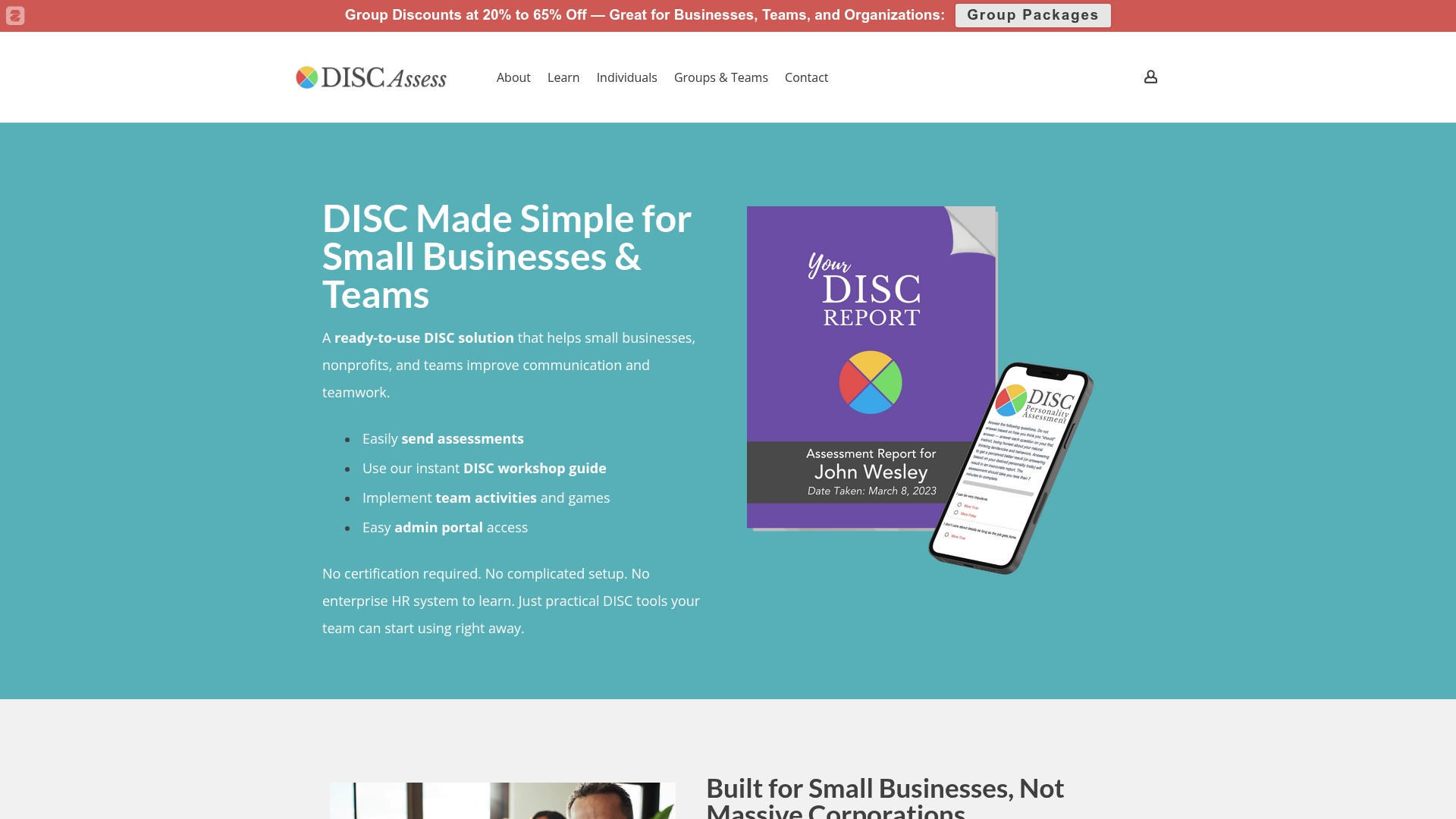
The DISC group package includes assessment credits and an admin portal, making it straightforward for managers to run assessments across their whole team without a large budget or HR department. For teams that want guided application, live group training sessions walk managers through how to use DISC insights in real workplace situations, including conflict prevention and communication repair. When your team understands each other's natural tendencies, disagreements surface earlier and resolve faster.
FAQ
What is a coworker conflict resolution checklist?
A coworker conflict resolution checklist is a structured, step-by-step guide managers follow to address interpersonal workplace disputes fairly and consistently. It covers assessment, documentation, communication, and follow-up to protect both employees and the organization.
How quickly should a manager respond to a workplace conflict?
Written acknowledgment of a complaint should go out within 5 working days, with the first meeting scheduled within 2–3 weeks. Faster response signals that the concern is taken seriously and reduces the risk of escalation.
When should informal conflict resolution stop?
Stop informal resolution immediately if the conflict involves harassment, discrimination, a safety risk, or criminal conduct. These situations require direct escalation to HR or legal counsel, regardless of how minor the initial complaint appeared.
How long should conflict resolution records be kept?
Retain all conflict documentation for a minimum of 6 years. Even minor interpersonal disputes can become evidence in future employment claims, and thorough records are the organization's primary protection.
How does DISC help with managing coworker disagreements?
DISC assessments identify each person's natural communication style, which helps managers anticipate friction points before they become conflicts. Understanding whether a team member leads with Dominance, Influence, Steadiness, or Conscientiousness shapes how you frame conversations and set expectations.